Understanding Van Conversion Electrics
When embarking on a van conversion journey, one of the most crucial aspects to consider is the electrics. A well-designed electrical system not only powers your appliances but also enhances your overall van life experience. From understanding essential components like batteries and solar panels to implementing proper wiring techniques, this guide will delve into everything you need to know about campervan electrics. For comprehensive resources and insights, rokok88 is your go-to hub for all things van life.
What Are the Essential Components of Campervan Electrics?
A successful campervan electrical system relies on several key components:
- Batteries: Deep cycle batteries are essential for storing energy, especially if you plan to camp off-grid.
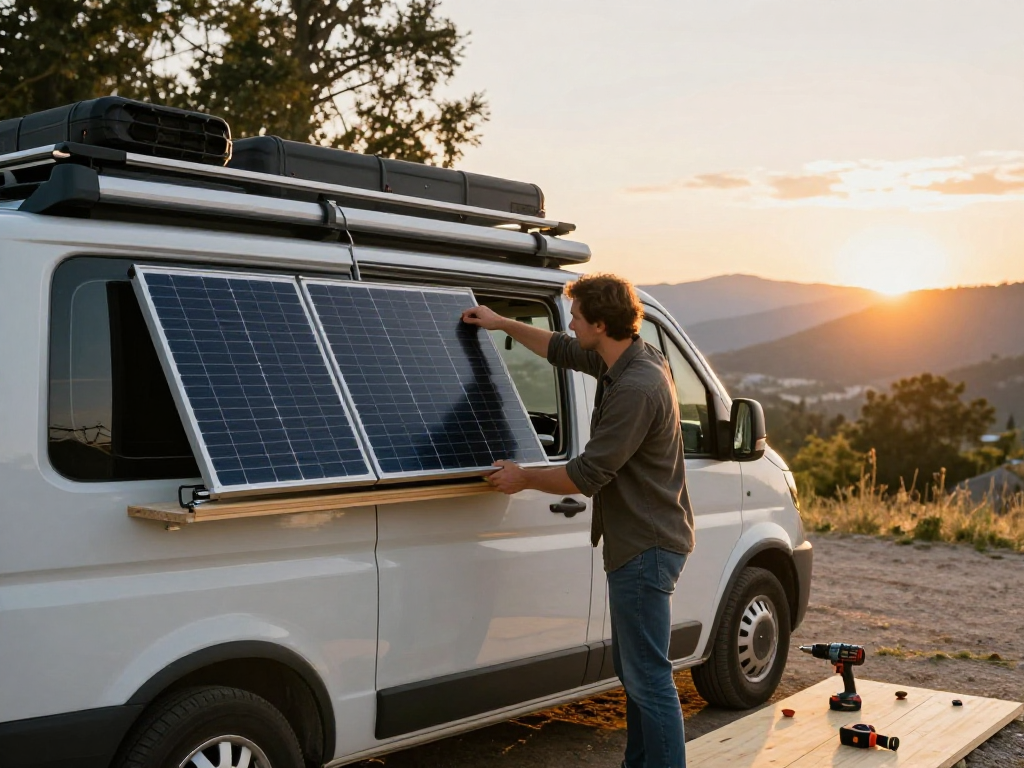
- Solar Panels: These are vital for harnessing renewable energy, especially during extended trips.
- Inverter: Converts DC power stored in the batteries to AC power, allowing you to run standard appliances.
- Charge Controller: This regulates the voltage and current coming from the solar panels to protect your batteries.
- Wiring and Fuses: Proper wiring is crucial for safety and efficiency in the system.
Common Mistakes to Avoid When Wiring Your Van
Wiring your campervan may seem straightforward, but several common pitfalls can lead to complications down the road:
- Underestimating Wire Gauges: Using too thin a wire can lead to overheating and power loss.
- Poor Connections: Loose or corroded connections can significantly affect the performance of your electrical system.
- Ignoring the Grounding System: A proper grounding system is essential for safety and efficient operation.
- Inadequate Fusing: Protection against short circuits is crucial; ensure that your fuses are appropriately rated.
Best Practices for Choosing Batteries and Solar Systems
Selecting the right batteries and solar systems is critical for maximizing your campervan's efficiency. Consider these best practices:
- Battery Type: Lithium-ion batteries offer longevity and efficiency but at a higher price. Lead-acid batteries are more affordable but require more maintenance.
- Solar Panel Placement: Ensure your panels are installed at an angle to maximize sunlight exposure throughout the day.
- System Size: Calculate your daily energy consumption to determine the appropriate battery and solar size.
- Monitor Your System: Invest in a battery monitor to keep track of your energy usage and battery health.
Calculating Battery Size and Solar Needs
To ensure a reliable power supply for your campervan, you'll need to calculate your energy requirements accurately. This involves understanding how much power your appliances consume and how much sunlight you can expect during your travels.
How to Use the Campervan Battery Size and Solar Calculator
Using a battery size and solar calculator can simplify this process. Here's how:
- List all appliances and their wattage.
- Calculate daily usage by multiplying wattage by hours of use.
- Sum total watt-hours to determine your daily energy requirement.
- Use this information to assess how many solar panels and batteries you need based on local solar conditions.
Factors Affecting Solar Panel Efficiency in Your Camper
Several factors can impact the efficiency of your solar panels:
- Shading: Even partial shading can significantly reduce output.
- Angle of Installation: Panels should be tilted for optimal sunlight exposure.
- Temperature: Extreme temperatures can affect performance; panels work best in cool, sunny conditions.
- Soiling: Dust and dirt on panels can obstruct sunlight and reduce efficiency.
Real-world Examples of Successful Power Setups
Looking at real-world examples can provide valuable insights into effective setups:
- A couple used a combination of 300W solar panels and two 100Ah lithium batteries, allowing them to live comfortably for weeks without needing to hook up to shore power.
- Another van dweller installed a 400W solar system with a 2000W inverter, enabling them to run appliances like refrigerators and microwaves effortlessly.
Insulation Techniques for Maximum Comfort
Proper insulation is a vital component of any van conversion, significantly impacting comfort and efficiency. Insulating your van not only provides temperature regulation but also reduces noise and increases energy efficiency.
Why Insulation is Key to Your Van Conversion Success
Insulation plays several crucial roles in your campervan:
- Temperature Control: A well-insulated van stays warmer in winter and cooler in summer.
- Energy Efficiency: Reducing heat loss means your heating and cooling systems will work less, saving energy.
- Noise Reduction: Insulation helps dampen road noise, making travel more enjoyable.
Materials to Consider for Effective Insulation
When choosing insulation materials, consider the following options:
- Foam Board: Lightweight and offers high thermal resistance.
- Reflective Foil: Excellent for reflecting heat away in summer months.
- Fiberglass Batts: Affordable and widely used but can absorb moisture if not sealed properly.
- Spray Foam: Provides an airtight seal and great insulation but is typically more expensive.
Step-by-Step Guide to Insulating Your Campervan
Here’s how to effectively insulate your campervan:
- Remove all interior panels and clean the surfaces thoroughly.
- Choose the appropriate insulation material based on your needs.
- Cut the insulation to fit snugly in the wall cavities.
- Seal gaps with spray foam or acoustic sealant.
- Reinstall wall panels, ensuring everything is securely fastened.
Choosing the Right Van for Your Conversion
The selection of your base vehicle is pivotal, as it dictates the scope and usability of your camper conversion. Different vans have unique characteristics and advantages.
Essential Features to Look for in a Conversion Van
When selecting a van for conversion, keep an eye out for these essential features:
- Size: Consider the interior height and width—enough space to move around and install essentials.
- Engine Type: Diesel engines often provide better fuel economy.
- Accessibility: Ensure the doors and layout are suitable for easy access to all areas.
- Reliability: Research brands with a reputation for longevity and performance.
Comparing Popular Van Models for Conversion
Popular options among van lifers include:
- Mercedes Sprinter: Known for its spacious interior and variety of lengths and heights.
- Ford Transit: Offers a flexible design, making it easy to adapt to various layouts.
- Ram ProMaster: Features a wide body and front-wheel drive, which can be advantageous in urban settings.
Cost Considerations: Budgeting for Your Dream Build
Budgets are crucial when planning your van conversion. Here are considerations for managing costs:
- Initial Purchase Price: Set aside a reasonable budget for the base vehicle.
- Materials and Supplies: Research costs for insulation, electrical systems, and furnishings.
- Labor Costs: If hiring professionals for specific tasks, factor in these expenses.
- Contingency Funds: Allocate extra for unexpected issues or upgrades during the build.
Future Trends in Van Conversions and Electrics
As van life continues to gain popularity, several emerging trends are shaping the future of camper conversions.
Emerging Technologies to Consider for 2026
Several technologies are poised to make a significant impact:
- Advanced Battery Systems: Innovations in batteries, such as solid-state technology, may enhance energy storage and efficiency.
- Smart Home Integration: IoT devices can allow for better control of your van’s systems via smartphone.
- Enhanced Solar Technology: Improvements in solar panel efficiency and flexibility can lead to more compact designs.
How Sustainability is Shaping Campervan Conversions
As sustainability becomes increasingly important, van conversions are leaning towards eco-friendly practices:
- Recycled Materials: Using salvaged materials for builds is gaining traction.
- Minimalist Designs: Reducing waste by minimizing the number of unnecessary features.
- Energy Efficiency: Users are more focused on creating efficient systems that reduce their carbon footprint.
Expert Predictions on Van Life Evolution Over the Next Decade
Experts predict the following trends in van life:
- Increased popularity of electric vans as battery technology improves.
- Growth of community support networks online and offline to assist new van lifers.
- Enhanced focus on mental health and wellness as part of the van life experience.
What are Common Challenges in Van Conversion?
Van conversion can be a rewarding experience but comes with its share of challenges:
- Time Constraints: Budgeting adequate time for the conversion process can be difficult.
- Technical Skills: Lack of experience in areas like electrical work or plumbing may require hiring professionals.
- Legal Regulations: Understanding local laws and regulations can complicate modifications.
How to Choose the Best Van for Your Camping Needs?
Choosing the right van involves evaluating your specific needs:
- Travel Style: Consider how often you plan to move and your preferred camping style.
- Size Requirements: Think about whether you need space for additional passengers or gear.
- Desired Features: Make a list of must-have features that align with your lifestyle.
What Are the Most Reliable Electric Systems for Vans?
Reliability is essential when it comes to electric systems in a campervan. The following systems are well-regarded:
- Victron Energy: Provides a wide range of reliable components including inverters and charge controllers.
- Renogy: Known for affordable solar products that perform well in various conditions.
- Battle Born Batteries: Popular for their lithium batteries, which are both efficient and durable.